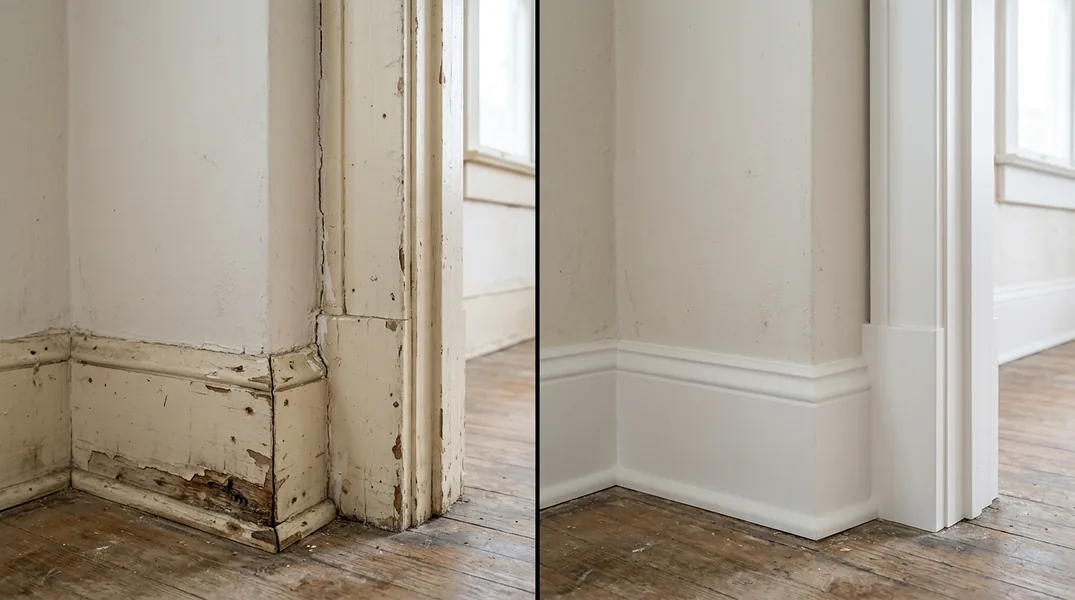
The Repair vs. Replace Decision: What Homeowners Need to Know
When you discover rotted or termite-damaged wood in your Austin home, the first question is usually straightforward: do I fix it or tear it out? The answer depends on several factors, including the extent of the damage, the location of the wood, structural integrity, and your budget. Understanding these variables will help you make an informed decision and avoid costly mistakes down the road.
The good news is that not every instance of wood rot requires a complete replacement. In many cases, Wood Rot & Dry Rot Repair can be performed without replacing the entire board or beam. However, if the damage is severe, widespread, or affects load-bearing elements, replacement becomes the safer and more cost-effective option. This guide will help you understand the difference and when each approach makes sense for your situation.
Understanding Wood Rot vs. Termite Damage: Key Differences
Wood rot and termite damage might look similar to an untrained eye, but they require different repair strategies. Wood rot is caused by fungal decay that breaks down the cellulose in wood, typically in areas with excess moisture. Dry rot, despite its name, also requires moisture to develop and can spread rapidly if left unchecked. Termite damage, on the other hand, is caused by insects that tunnel through wood, leaving behind hollow galleries and weakened structural integrity.
The distinction matters because Termite Damage Repair often requires addressing an active infestation before any structural repairs can begin. With wood rot, the focus is on removing the decayed wood, treating the moisture source, and restoring the structural element. In both cases, a professional inspection is essential to determine the full scope of damage and the best repair approach. Many homeowners in Austin discover these issues during routine maintenance or when selling their homes, making early detection critical.
When Repair Without Replacement Makes Sense
Repair without replacement is possible when the damage is localized and does not compromise the structural integrity of the wood. If rot or termite damage affects only the surface or outer layers of a board, a skilled carpenter can often remove the damaged section and splice in new wood, restoring the member to its original strength. This approach is particularly effective for siding, trim, and non-structural elements like window frames or door jambs.
The key to successful repair is ensuring that the underlying cause is addressed. If moisture is the culprit, that source must be eliminated before any repair work begins. Similarly, if termites are involved, pest control treatment must precede the carpentry work. When these conditions are met, repair without replacement can save you 40 to 60 percent compared to full replacement, making it an attractive option for budget-conscious homeowners. However, this approach only works if the damage is caught early and is limited in scope. Attempting to repair severely compromised structural wood is a false economy that can lead to safety issues and more expensive problems later.
When Full Replacement Is Necessary
Full replacement becomes necessary when wood rot or termite damage affects more than 30 to 40 percent of a structural member, or when the damage compromises the load-bearing capacity of the wood. This is especially true for critical elements like floor joists, beams, and wall studs. Attempting to repair these elements when they are extensively damaged is not worth the risk to your home's structural safety.
If you have damaged siding, Austin homeowners often find that replacing rotted wood siding is more practical than patching multiple boards, particularly if the damage is spread across several panels or if the siding style is no longer readily available. Similarly, Floor Joist & Subfloor Repair typically involves replacement rather than repair, since these elements bear the weight of your entire home and any compromise to their integrity is unacceptable. In cases involving structural beams or load-bearing walls, Beam Replacement & Load-Bearing Wall Removal requires professional engineering and permits to ensure the work is done safely and to code.
Wood Rot & Dry Rot Repair Cost in Austin: What to Budget
The pricing for wood rot repair varies widely depending on the scope, location, and whether repair or replacement is needed. Small, localized repairs on non-structural elements might cost between $300 and $800, while more extensive repairs or replacements can range from $1,500 to $5,000 or more. Structural repairs involving joists, beams, or load-bearing walls are typically at the higher end of the spectrum and may require additional costs for permits and engineering.
Several factors influence the final cost. The accessibility of the damaged wood plays a role, as does the type of wood being repaired and the extent of moisture damage or pest infestation. If the underlying cause (such as a roof leak or poor drainage) must be addressed before repairs can begin, that work will add to the total bill. While it might be tempting to delay repairs to save money, doing so usually makes the problem worse and more expensive to fix. A professional inspection from Austin Carpentry can provide you with an accurate assessment and detailed estimate for your specific situation. We recommend getting a free estimate to understand your options and costs before making any decisions.
How to Prevent Future Wood Rot and Termite Damage
Prevention is always more cost-effective than repair. The most common cause of wood rot in homes is moisture exposure, so maintaining proper drainage, fixing leaky roofs and gutters, and ensuring adequate ventilation are critical steps. Termites thrive in moist conditions as well, so keeping wood away from soil contact, maintaining a moisture barrier under your home, and eliminating standing water around your foundation all help protect against infestation.
Regular inspections are your best defense. Walking around your home twice a year, checking for signs of soft wood, discoloration, or visible insect activity, can catch problems before they become serious. Look closely at areas prone to moisture, such as bathrooms, kitchens, basements, and around exterior doors and windows. If you notice anything suspicious, contact Austin Carpentry at (737) 387-5120 for a professional evaluation. Treating wood with protective sealants and keeping gutters clean are also simple maintenance tasks that go a long way in preventing costly damage. By staying proactive, you can avoid the repair vs. replace dilemma altogether and keep your home structurally sound for years to come.
Looking for a professional carpentry contractor in Austin? Austin Carpentry responds fast for all your carpentry needs.
Get a Free QuoteOur services: Wood Rot & Dry Rot Repair · Termite Damage Repair · Floor Joist & Subfloor Repair