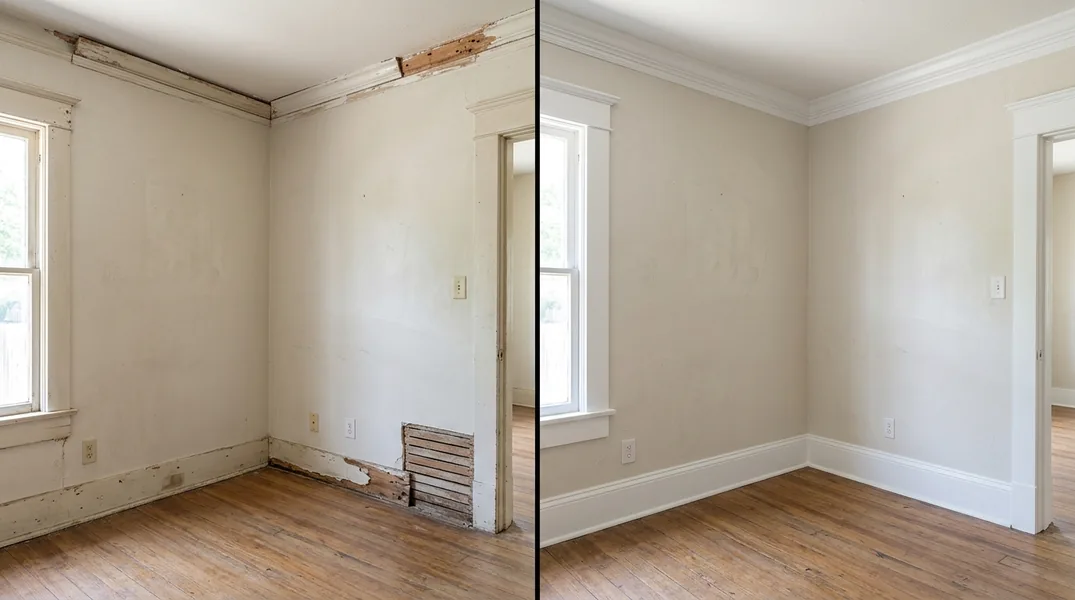
Why Historic Hyde Park and Clarksville Homes Demand Different Maintenance
If you own a craftsman bungalow in Hyde Park or a charming cottage in Clarksville, you already know these neighborhoods are among the most character-rich in Austin. Built between the 1890s and 1930s, these homes feature original wood siding, solid timber framing, and architectural details that simply cannot be replicated today. But that vintage charm comes with a responsibility: these older structures require maintenance strategies that differ significantly from modern homes.
Historic homes were built with materials and methods suited to their era. The wood used in your bungalow's exterior walls, roof structure, and interior framing was often old-growth timber with different moisture characteristics than wood available now. Additionally, many of these homes lack the vapor barriers and weather-resistant barriers standard in contemporary construction. This means your Austin cottage is more vulnerable to moisture infiltration, which is the primary culprit behind wood rot, dry rot, and structural decay. Understanding these vulnerabilities is the first step toward preserving your home for future generations.
Understanding Wood Rot vs. Dry Rot in Your Craftsman Bungalow
Many homeowners use the terms 'wood rot' and 'dry rot' interchangeably, but they are fundamentally different problems requiring different solutions. Wood rot, also called wet rot, occurs when wood is exposed to prolonged moisture and fungal growth takes hold. You'll typically find it in areas where water intrusion is obvious: around window frames, under damaged roof shingles, near gutters, and along the base of siding where water splashes occur. The wood becomes soft, darkens, and loses structural integrity. Dry rot, conversely, is caused by a specific fungus that can spread through wood even when moisture levels appear normal to the naked eye. It's particularly dangerous because it can travel through masonry and affect wood that seems dry to the touch.
In historic homes like those in Hyde Park and Clarksville, both conditions are common because of aging roofing, original single-pane windows, and wood siding that has weathered decades of Austin's hot, humid summers and occasional heavy rains. If you notice soft spots in your wood siding, a musty smell in your basement or crawlspace, or paint that bubbles and peels despite recent repainting, you may have either condition. The good news is that early detection and professional Wood Rot & Dry Rot Repair can save both your home and your wallet. Waiting allows the damage to spread to structural elements like floor joists, beams, and wall framing, turning a manageable repair into a major restoration project.
Common Problem Areas in Historic Cottage Repair
When inspecting your Clarksville cottage or Hyde Park bungalow, focus on the areas most prone to moisture and decay. The exterior wood siding is often the first casualty, especially on the north and west-facing walls that receive less sun and dry more slowly after rain. Look for paint failure, soft wood that dents when you press it with a screwdriver, and any visible gaps where siding meets trim or foundation. Original wood trim around windows and doors is equally vulnerable. These areas trap water and are difficult to maintain without removing and potentially damaging historic glazing and hardware.
Inside your home, pay attention to the crawlspace and basement. Many historic homes in Austin were built with minimal or no vapor barriers, and these spaces are notorious for moisture accumulation. Check the underside of floor joists, rim joists, and any wooden posts supporting the structure. If you notice soft wood, white or gray fungal growth, or a pungent, earthy smell, you likely have rot. The roof and attic are another critical area. Leaks often develop around original chimneys, roof penetrations, and where additions meet the original roofline. Water staining on attic framing or insulation is a red flag that demands immediate attention before structural damage compromises your home's integrity.
Preventive Maintenance: The Best Investment for Historic Home Preservation
The most cost-effective strategy for protecting your historic home is prevention. This means addressing moisture issues before they become wood rot. Start with your roof. If your bungalow or cottage has original asphalt shingles that are curling, missing, or more than 20 years old, replacement should be your top priority. Gutters and downspouts are equally important. They should be clean, properly pitched, and direct water at least four to six feet away from your foundation. Many historic homes have undersized gutters or downspouts that clog easily, causing water to overflow and run down the exterior walls and foundation. Cleaning gutters twice yearly, especially in fall, is a simple task that prevents major problems.
Your wood siding deserves attention too. Quality exterior paint or stain protects wood from moisture and UV damage. However, painting over rot or painting with incompatible products traps moisture and accelerates decay. Before repainting, inspect the wood carefully and scrape away any soft, damaged areas. If more than 10 to 15 percent of a board is compromised, replacement is more economical than patching. Consider using high-quality exterior primers and paints designed for older homes, and plan on repainting every 5 to 7 years in Austin's climate. Additionally, ensure that water does not collect against your foundation. Grade the soil away from the house, and consider installing or repairing French drains if water pools near the foundation after rain.
When to Call a Professional: Wood Rot & Dry Rot Repair Near Me
While preventive maintenance is something many homeowners can handle, structural wood damage requires professional expertise. If you've discovered soft wood, extensive paint failure, or visible fungal growth, it's time to contact a specialist. Attempting DIY repairs on structural elements like floor joists, beams, or wall framing can be dangerous and may not meet building codes. Additionally, improper repairs can mask deeper damage, leading to costly problems down the road. A qualified carpenter experienced in historic home repair will assess the extent of damage, identify the moisture source, and recommend the appropriate solution, whether that's targeted Wood Rot & Dry Rot Repair, Floor Joist & Subfloor Repair, or more extensive work like Beam Replacement & Load-Bearing Wall Removal.
Austin Carpentry specializes in historic home repair and understands the unique challenges of maintaining craftsman bungalows and period cottages. We've worked on homes throughout Hyde Park, Clarksville, and surrounding neighborhoods, and we know how to preserve the character and integrity of these properties. If you suspect wood rot or dry rot in your home, don't wait. Contact us at (737) 387-5120 or request a free estimate so we can assess the situation and provide honest recommendations.
Historic Home Maintenance Cost in Austin: What to Budget
The cost of maintaining a historic home varies dramatically depending on the scope of work, the extent of damage, and the materials used. Minor wood siding repairs might cost a few hundred dollars, while replacing a section of rotted siding on multiple walls could run into the thousands. Wood Rot & Dry Rot Repair ranges from around $500 for small, localized issues to $5,000 or more if structural elements like floor joists are involved. Major projects, such as replacing a roof, repairing foundation damage, or addressing extensive rot throughout a crawlspace, can cost $10,000 to $50,000 or more. However, these investments protect your property value and prevent exponentially more expensive repairs later.
Rather than viewing maintenance as an expense, think of it as an investment in your home's longevity. A $2,000 repair today prevents a $20,000 problem in five years. For specific pricing on your situation, Austin Carpentry recommends getting a professional inspection and estimate. We'll walk you through the options, explain what's urgent versus what can be phased in over time, and help you prioritize work based on your budget and the home's actual needs. Historic homes require thoughtful, informed stewardship, and that starts with understanding what you're dealing with.
Looking for a professional carpentry contractor in Austin? Austin Carpentry responds fast for all your carpentry needs.
Get a Free QuoteOur services: Wood Rot & Dry Rot Repair · Termite Damage Repair · Floor Joist & Subfloor Repair