Dry Rot vs Termite Damage: Understanding the Difference
If you own a home in Austin, you've likely heard warnings about wood rot and termite damage. Both can compromise your home's structural integrity, but they're caused by completely different culprits and require different treatment approaches. Understanding the distinction between dry rot and termite damage is the first step toward protecting your investment.
Dry rot is a fungal disease that thrives in damp, poorly ventilated environments. Termites, on the other hand, are wood-eating insects that actively tunnel through timber as they feed. While both can devastate wooden structures, the way they damage wood and the solutions needed are entirely different. A homeowner who misidentifies the problem might waste money on the wrong treatment, allowing the real threat to continue spreading behind the walls.
The good news is that with a little knowledge, you can learn to spot the telltale signs of each problem. This guide will walk you through the visual clues, damage patterns, and warning signs so you can take action before serious structural damage occurs.
What Does Wood Rot Look Like? Key Visual Signs
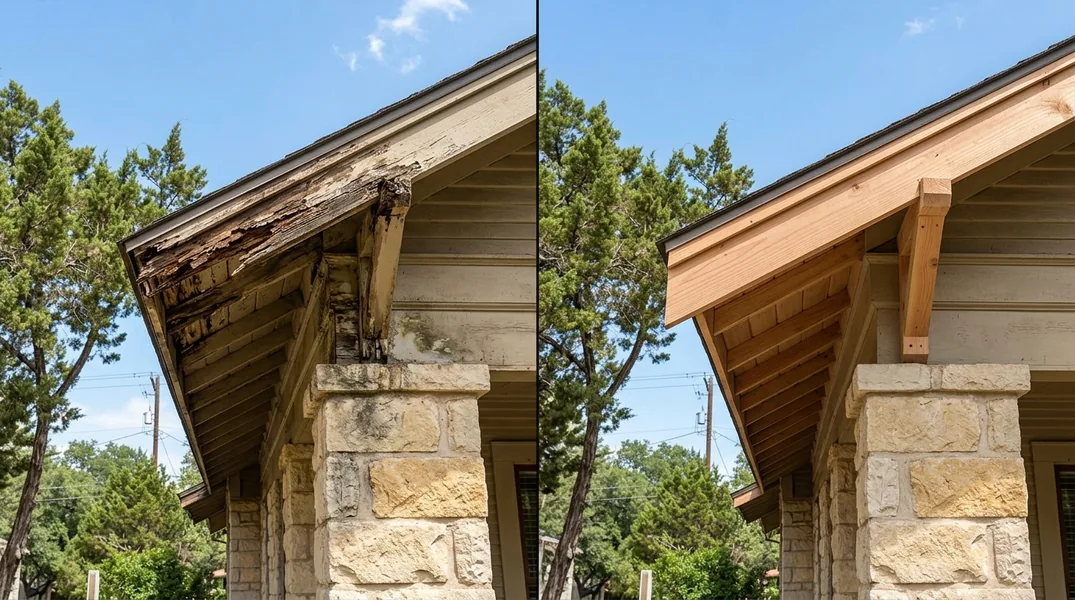
Dry rot creates a distinctive appearance that sets it apart from other wood damage. When wood is affected by dry rot fungus, it typically becomes soft, crumbly, and darkens in color, often turning dark brown or black. The affected wood loses its structural strength and can be easily crumbled by hand or a screwdriver. One of the most characteristic features of dry rot is the presence of fine, thread-like fungal strands (called mycelium) that spread across and through the wood, sometimes resembling a cobweb or cotton growth.
Another telltale sign of dry rot is the formation of fruiting bodies, which look like flat, pancake-shaped growths on the wood surface. These can appear grayish, reddish, or brown and release spores that spread the infection further. You might also notice a musty, earthy smell around the affected area. Unlike termite damage, dry rot typically occurs in localized areas where moisture accumulates, such as around poorly sealed windows, under sinks, in basements, or in crawl spaces.
The wood affected by dry rot often shrinks and cracks as the fungus destroys its cellular structure. If you press a screwdriver or knife into suspect wood and it sinks in easily, leaving a deep impression, that's a strong indicator of dry rot. This is why regular inspections of vulnerable areas in your Austin home are so important for early detection.
Signs of Termite Damage in Wood: What to Look For
Termite damage presents a completely different visual profile than dry rot. Termites are insects that eat wood from the inside out, creating hollow galleries and tunnels as they consume the cellulose. This means the surface of the wood may appear relatively intact while the interior is completely compromised. When you tap on termite-damaged wood, it often sounds hollow, and the surface may have a thin, papery outer shell that collapses when pressed.
One of the most obvious signs of termite activity is the presence of mud tubes. These are pencil-thin tunnels made from soil, saliva, and feces that termites construct to travel between their nest and food sources. You'll typically find these tubes running up foundation walls, around wooden posts, or along the exterior of your home. Termites build these tubes to maintain moisture while traveling above ground.
Other indicators of termite damage include discarded wings near windowsills or light sources (a sign of swarming season), small holes in wood that look like exit points, and piles of fine, sand-like droppings called frass. Unlike the musty smell associated with dry rot, termite-infested wood may smell like old cardboard or have a faint musty odor. The damage pattern is often more widespread and systematic, with wood eaten away in a linear fashion following the grain.
Location and Environmental Clues: Where Each Problem Occurs
Understanding where dry rot and termite damage typically appear can help you narrow down the culprit. Dry rot requires moisture to thrive, so it's almost always found in damp areas. Look for it around plumbing leaks, in bathrooms, kitchens, basements, crawl spaces, and anywhere water has accumulated over time. Areas with poor ventilation are particularly vulnerable. In Austin, homes with inadequate crawl space ventilation or roof leaks are prime candidates for dry rot problems.
Termites, by contrast, can establish colonies almost anywhere they have access to wood and moisture. They don't require the same level of dampness as dry rot fungus, though they do need some moisture to survive. Termites are more likely to attack wooden structures that are in direct contact with soil, such as wooden posts, siding, and floor joists and subfloors. They often enter homes through cracks in the foundation or gaps in the exterior.
A key environmental difference is that dry rot is a stationary problem. Once you eliminate the moisture source, the fungus stops spreading. Termites, however, are actively seeking food and will continue to migrate and consume wood as long as the colony is alive. This is why termite infestations often spread more aggressively and require more aggressive intervention than dry rot.
Which Problem Is More Dangerous? Structural Impact and Urgency
Both dry rot and termite damage can compromise your home's structural integrity, but they pose different levels of immediate threat. Dry rot spreads relatively slowly and is localized to damp areas. While it can eventually cause serious problems, you typically have time to address it once discovered. However, if left unchecked for years, dry rot can weaken floor joists, beams, and wall framing to the point of collapse.
Termite damage, on the other hand, can spread rapidly and extensively. A single termite colony can contain hundreds of thousands of individuals, all working to consume wood 24 hours a day. An active infestation can cause significant structural damage in a matter of months or years. The danger of termite damage is that it often goes unnoticed because the damage occurs inside the wood, making it harder to detect until it's severe.
From a financial perspective, both problems require professional attention. Wood Rot & Dry Rot Repair and Termite Damage Repair can range from minor repairs to major structural work depending on the extent of damage. If you suspect either problem in your home, it's critical to get a professional inspection right away rather than waiting for the problem to worsen.
When to Call a Professional: Wood Rot & Dry Rot Repair Near Me
If you've identified signs of dry rot or termite damage in your home, don't attempt to fix it yourself. These are serious structural issues that require professional expertise. A qualified carpenter can properly assess the extent of damage, identify the root cause, and recommend the best course of action. For dry rot, this typically involves removing the affected wood, treating the area with fungicide, and addressing the moisture problem. For termites, you may need to involve a pest control specialist in addition to a carpenter who can repair the structural damage.
Austin Carpentry specializes in diagnosing and repairing both dry rot and termite damage. Our team has years of experience identifying these problems and restoring homes to their original strength. Whether you need Beam Replacement & Load-Bearing Wall Removal or targeted repairs to affected areas, we have the skills and tools to get the job done right. The longer you wait, the more expensive the repairs become, so early intervention is always the best strategy.
If you suspect dry rot or termite damage in your home, contact Austin Carpentry today at (737) 387-5120 to schedule a free estimate. Our professionals will thoroughly inspect your home, identify the problem, and provide you with a clear plan for repair. Don't let wood damage compromise your home's safety and value. Call us now and let's protect your property.
Looking for a professional carpentry contractor in Austin? Austin Carpentry responds fast for all your carpentry needs.
Get a Free QuoteOur services: Wood Rot & Dry Rot Repair · Termite Damage Repair · Floor Joist & Subfloor Repair